Motifs book

  • Peacock

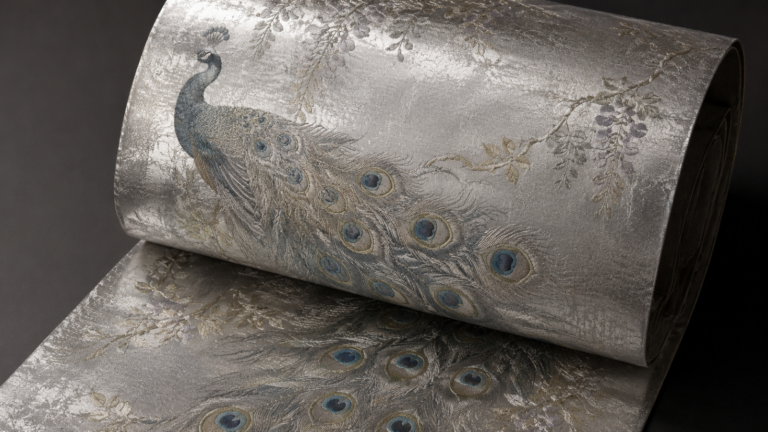
    The Bird That Eats What Would Kill You On kujaku, and a feather that contains its own darkness — and transforms it Look closely at a peacock’s tail feather. At the center of each eye: a darkness. A deep, absorbing black, ringed by iridescent blue, then green, then bronze. The eye does not reflect light…
  • Peony

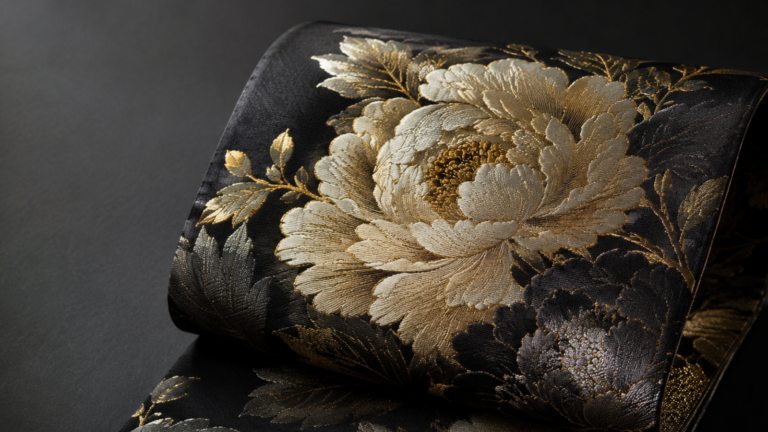
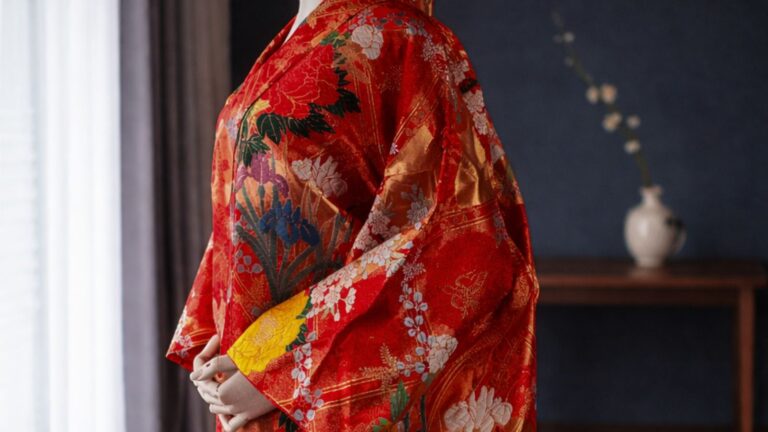
    A Foreign Flower, Perfectly at Home On botan, and what it means that Japan’s most opulent motif was never Japanese to begin with Japanese aesthetics are often described in terms of what they leave out. The unfinished edge. The empty corner. The pause between notes. Wabi, sabi, ma — a whole vocabulary built around absence,…

  • Cherry Blossom

    The Flower Everyone Recognizes, Differently On sakura, and what it means to love something precisely because it will not stay Outside Japan, the cherry blossom is admired. It appears on packaging, on tourist posters, in the Instagram feeds of springtime travelers. It is beautiful, unmistakably Japanese, a symbol of something softly exotic. Inside Japan, the…

  • Plum Blossom

    The Flower That Bloomed Before Anyone Was Watching On ume, and what it means to be first — not triumphantly, but quietly, alone in the cold There was a time, before the cherry blossom took everything, when the plum was the flower. Not one flower among many — the flower. In the Nara period, to…

  • Pine

    The Tree That Does Not Announce the Seasons On matsu, and what it means to find beauty in a thing that simply refuses to change Most motifs in Japanese textile design are about transformation. The cherry blossom falls. The chrysanthemum opens in the cold. The crane lifts into open sky. Even the peony belongs to…

  • Phoenix

    A Bird That Only Comes When It Is Safe On houou, and what it means to carry the image of something that refuses to exist in difficult times You already know the Western phoenix. It burns. It dies. It rises from its own ashes — solitary, cyclical, defined entirely by its relationship with destruction. It…

  • Senmen

    A World Inside the Opening On senmen, and what it means to carry a shape that contains everything — and keeps expanding Every other motif in this series depicts something from the natural world — a bird, a flower, a tree, a geometric shape borrowed from a creature’s shell. The fan is different. It is…

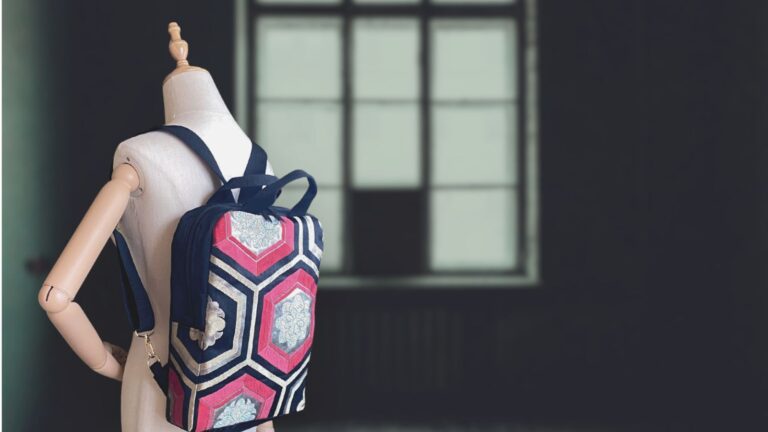
  • Hexagons

    The Shape That Nature Keeps Returning To On kikko, and what it means when a pattern is not invented but discovered Every other motif in this series began with something seen — a bird in flight, a flower opening, a tree holding its color against winter. The designer’s task was to translate nature into textile,…

  • Paulownia

    The Crest That Was Given, Not Chosen On kiri, and what it means to carry a symbol that has always belonged to someone greater than yourself The other motifs in this series were chosen for their beauty, their symbolism, their poetic resonance with the natural world. The crane for longevity. The peony for abundance. The…

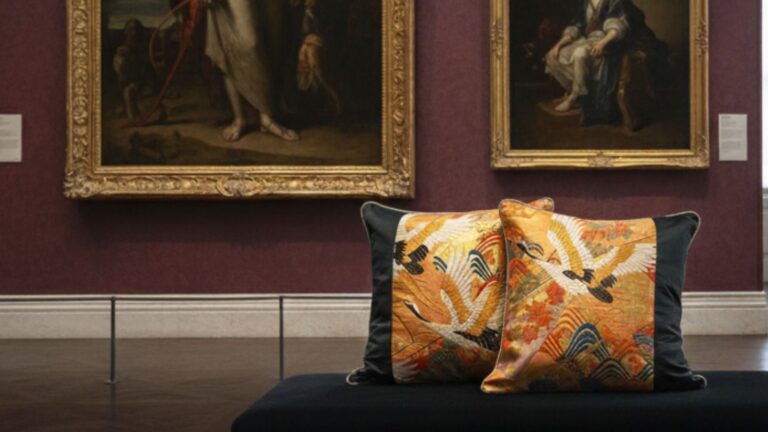
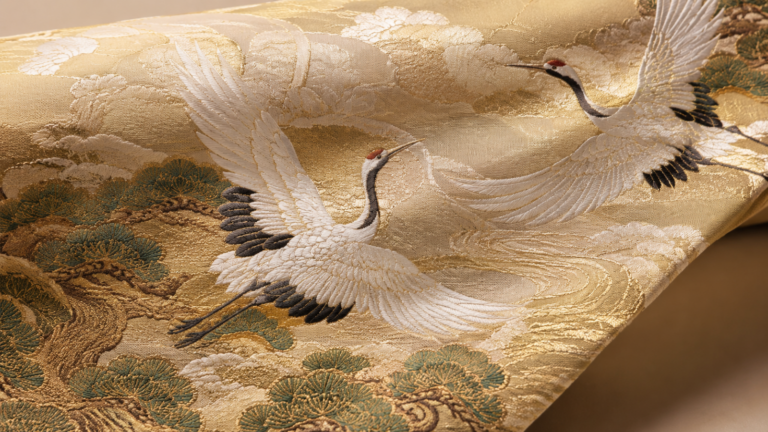
  • Crane

    The Crane Does Not Announce Itself On tsuru, and what it means to carry a blessing without showing it A crane does not announce itself. It arrives — white against winter sky, unhurried, as if it has always been there. This quality — a presence without insistence — may be why the crane has endured…